ServicesWater Testing & Analysis
Water Testing & Analysis in Bastrop
You deserve real numbers before anyone recommends equipment. We test right at your kitchen tap, explain every reading in plain words and tell you honestly whether treatment makes sense. In older homes, we also check what aging pipes may be adding along the way.
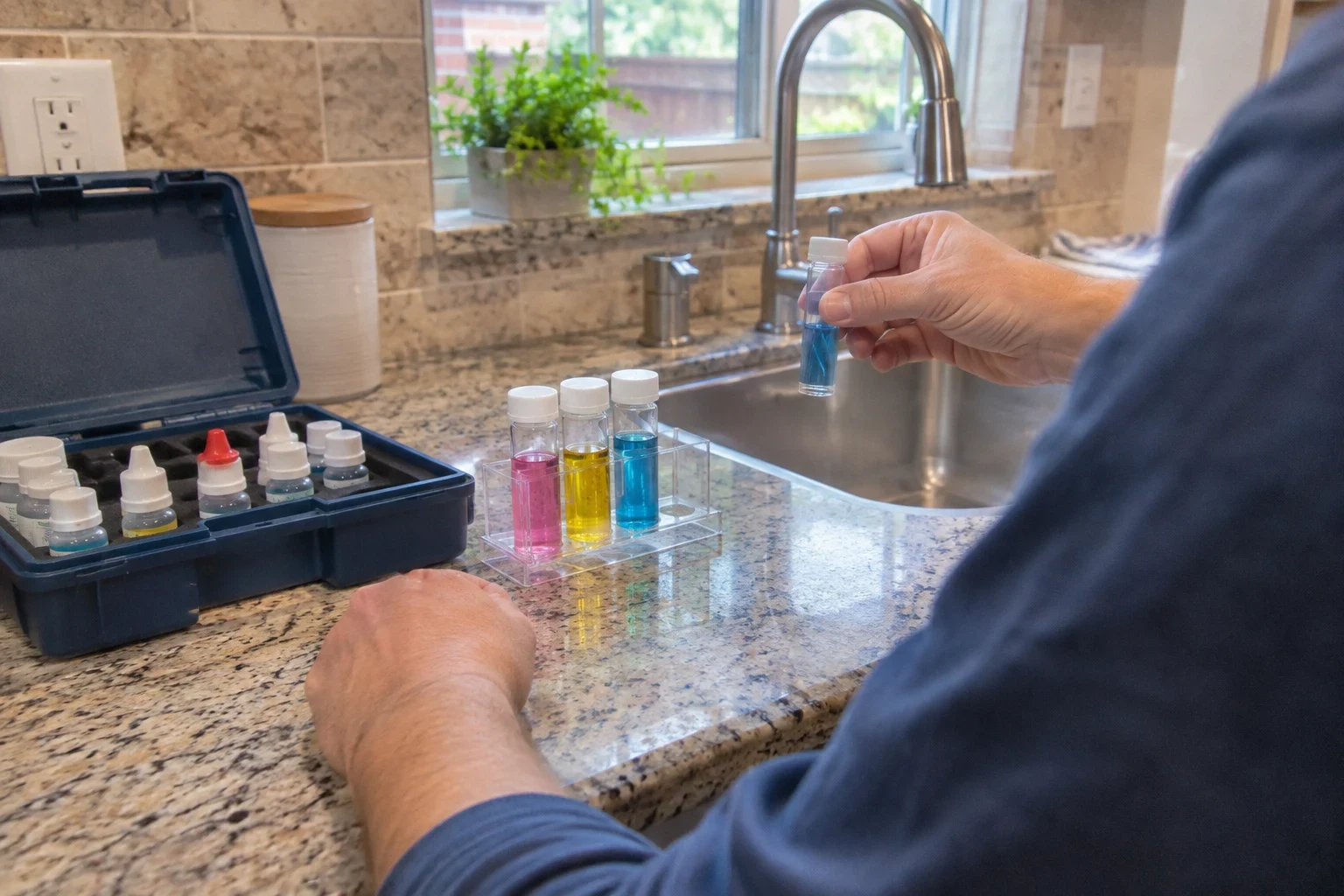
Know your water before you choose a system
Water testing is the first step, not a sales pitch. We measure the things that drive most complaints: hardness, chlorine, iron, total dissolved solids and pH. Then we explain what each result means for your fixtures, your appliances and the water you drink.
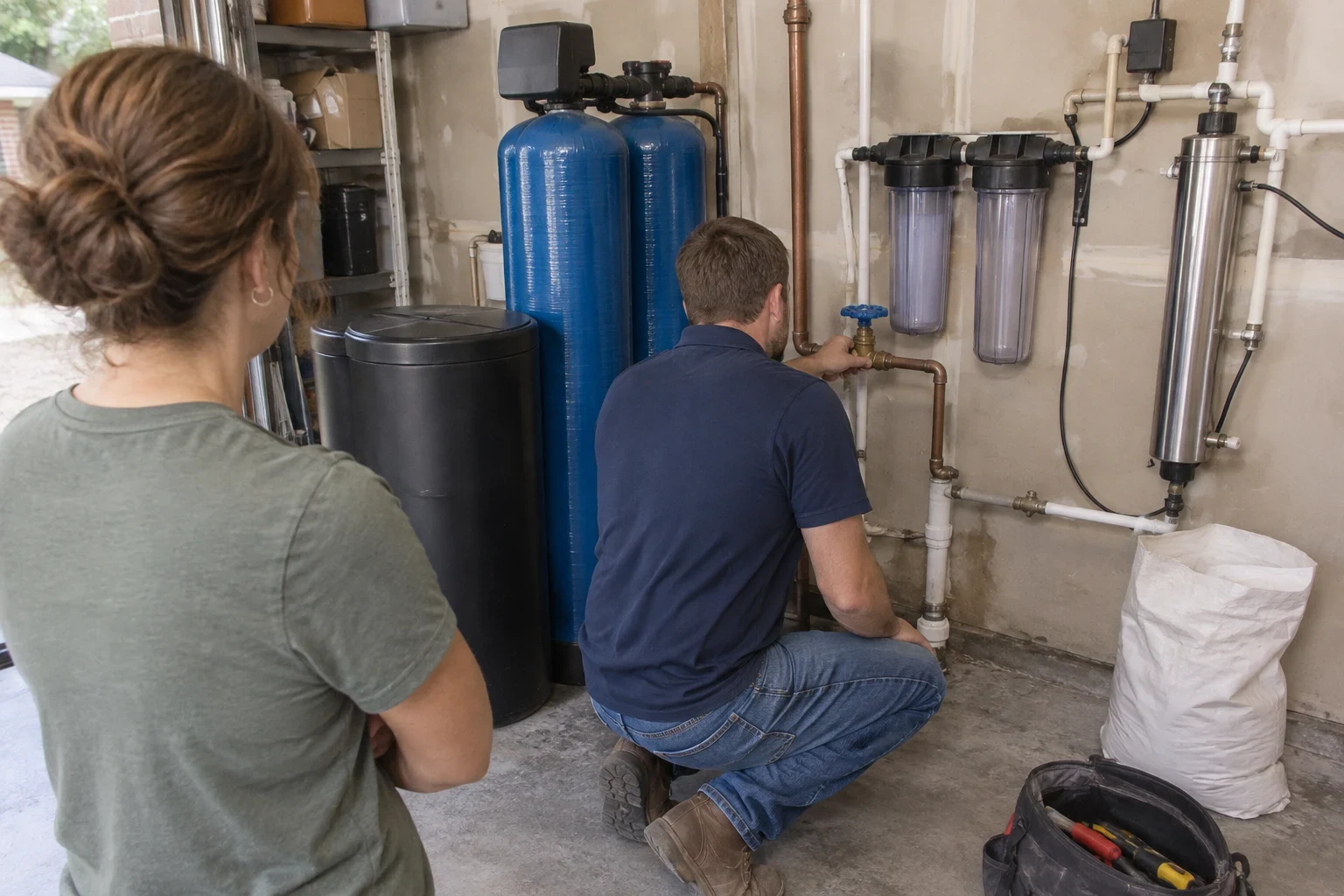
Older houses add another layer. A home built decades ago may still have galvanized steel lines, copper joined with old solder, or a patchwork of repairs from different owners. The water can leave the street in fine shape and pick up rust, metals or odors on the way to your faucet. We test with that in mind and ask about your plumbing history so the results make sense.
Sometimes the honest answer is that your water is fine, or that a simple fix like replacing a corroded section of pipe solves the problem. When treatment does make sense, you will know exactly which kind and why.
What your water test covers
- 01
Measuring hardness
We read calcium and magnesium levels to see whether scale is a genuine problem. That reading tells us if a water softener or salt-free conditioner is worth discussing.
- 02
Measuring chlorine
City water is treated with disinfectant, and many people dislike how it tastes or smells. Knowing the level lets us say whether carbon filtration would make a difference.
- 03
Iron and smell
Orange staining and a rotten-egg odor come from different sources. We test for iron and note any sulfur smell, which shows whether iron and sulfur removal is worth talking about.
- 04
pH and TDS
Total dissolved solids and pH give a fast read on overall mineral load and whether the water tends to be corrosive, an important point in houses with older metal pipe.
- 05
Checking your plumbing
We record the pipe materials we can see, the water heater and any signs of past repairs under the sinks. Knowing what the water flows through makes the results more useful.
- 06
Lab analysis if it is called for
If lead or another concern is beyond what a home test measures well, we explain how an independent lab test works and help you take the sample correctly.
Questions about Water Testing & Analysis?
Call(512) 852-4359When it makes sense to test your water
Marks on sinks and tubs
Rusty rings or blue-green streaks near drains usually mean iron or copper. In older houses, the pipes are often the cause.
Chalky film on fixtures
White deposits on showerheads, aerators and the coffee maker are a textbook sign of hard water.
An odd taste or smell
A swimming-pool smell, a metal taste or sulfur from the hot tap each come from something different. A test shows which one is behind yours.
You recently bought an older home
Every fix the past owners made, good or bad, is now yours. A first test shows you where things stand from the start.
You have a quote for a system
If someone pitched you equipment without testing, get your own numbers before signing.
How a test visit works
- 1
A short call
Let us know what you have noticed and about when your house was built. Then we book a time that works for you.
- 2
Testing right at the faucet
We take samples at the kitchen faucet and, when it helps, at a second fixture or from the hot side. Most tests run on the spot while you look on.
- 3
Results in everyday words
We review every reading with you, compare it with normal ranges and flag anything tied to your pipes. Simple language and no sales push.
- 4
Your choices, in writing
When treatment would help, we name the system that fits, explain why and give you a quote. When nothing is needed, we tell you that.
What affects the cost
Your in-home water test costs nothing, and you owe us nothing if you decide not to move forward. Money only enters the picture if you want an independent lab analysis or choose a treatment system. We go over any of that with you ahead of time, so nothing shows up unexpected.
- Lab panels
- A basic lab test for lead or bacteria costs far less than a full contaminant panel. We help you pick the panel that answers your actual question.
- Number of sample points
- Testing one tap is usually enough. Homes with mixed old and new plumbing may need samples from more than one spot to find the source of a problem.
- What the results show
- Your readings decide the next step. Mild chlorine taste might call for a small drinking water setup, while hardness and iron together point to a different system.
- Equipment you choose
- If you move forward with a system, we offer free installation. The price then depends on the equipment and the condition of the plumbing where it connects.
Common questions about testing your water
Is the test actually free?
Yes. The test at your home costs nothing, and there is no purchase required afterward. Your choice should be based on real readings, not hunches.
How long is the visit?
Typically under an hour, with time to review the results together. If we send a sample to a lab, those numbers come back later and we walk you through them when they arrive.
Can an in-home test detect lead?
Quick home tests are not reliable for lead. If your house has old solder, brass fixtures or pipes you are not sure about, we recommend an independent lab test and show you how to take a proper first-draw sample.
My city water passes its standards. Why test?
The utility's report describes water leaving the plant, not water at your faucet. In older homes, rusty pipe or worn fittings can alter taste, color and metal levels along the way. Testing at your tap shows what you actually drink.
Are you just trying to sell me a softener?
No. If hardness is low, we will tell you a softener is not worth the money. Plenty of people only need reverse osmosis for drinking water, and some need nothing at all.
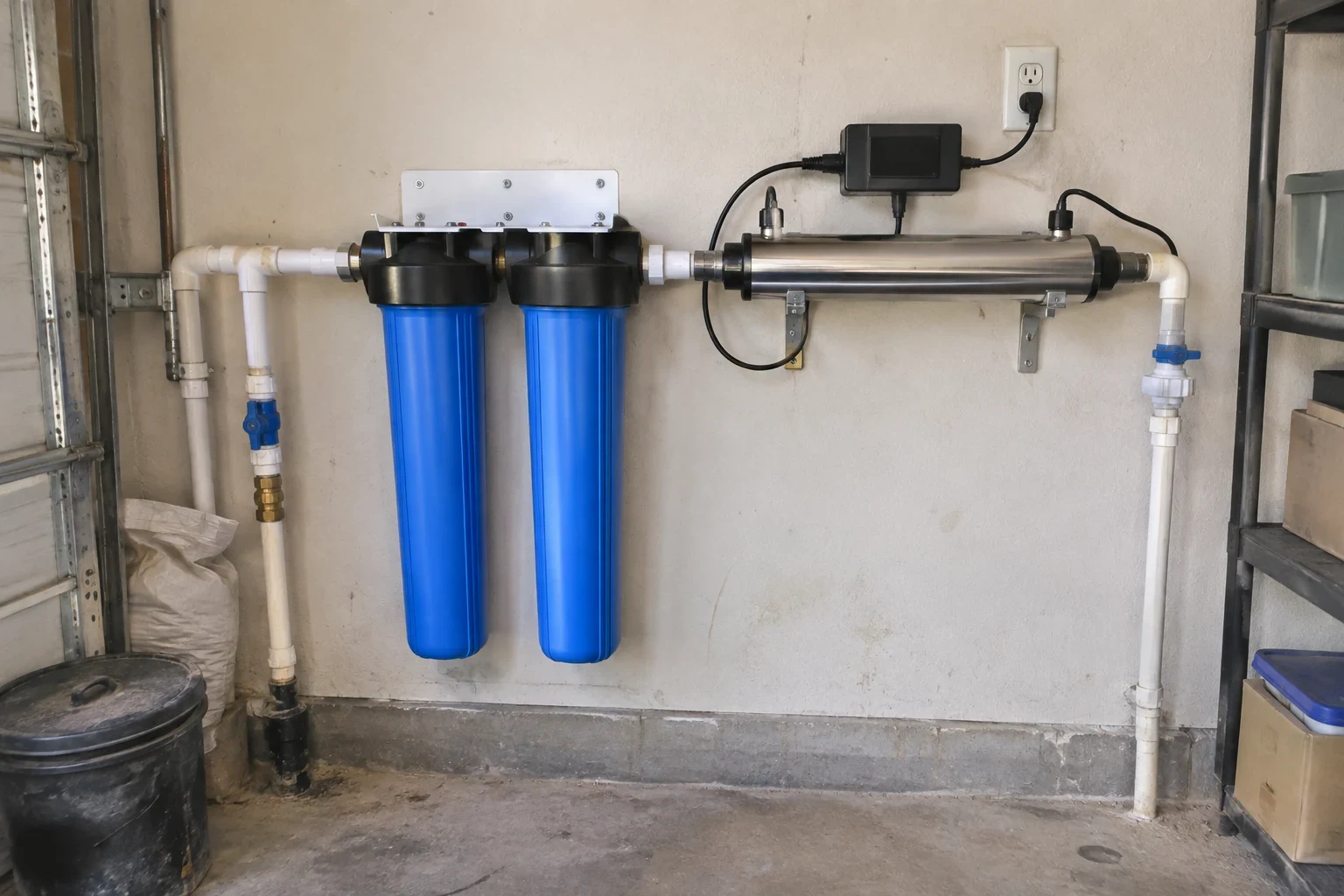
Find out what is in your water
One short visit gives you real numbers and an honest opinion on what, if anything, your home needs. We serve Bastrop and nearby towns including Elgin, Smithville and Cedar Creek.